An air conditioning system should do more than cool a room. It should maintain comfortable temperatures, operate efficiently and provide dependable performance throughout its service life.However, even a high-quality air conditioner may perform poorly when installed incorrectly. Unsuitable unit positioning, restricted airflow, poor drainage and incorrect refrigerant connections can affect its operation.Choosing a qualified Aircon installer helps ensure that the equipment is fitted according to the manufacturer’s requirements and the property’s cooling needs.Whether you are installing a new unit, replacing an older system or improving temperature control in your workplace, proper installation planning makes a difference.
What Does an Air Conditioning Installation Technician Do?
A technician is responsible for assessing the installation requirements, positioning equipment and completing the necessary connections.
The work generally begins with inspecting the property and discussing the customer’s expectations.
The technician may then recommend suitable equipment, confirm the mounting locations and plan the installation process.
When booking an Aircon installer, provide information about the room dimensions, existing equipment and preferred installation location.
This helps clarify the scope of work before the appointment.
Wall-Mounted Split Aircon Installation
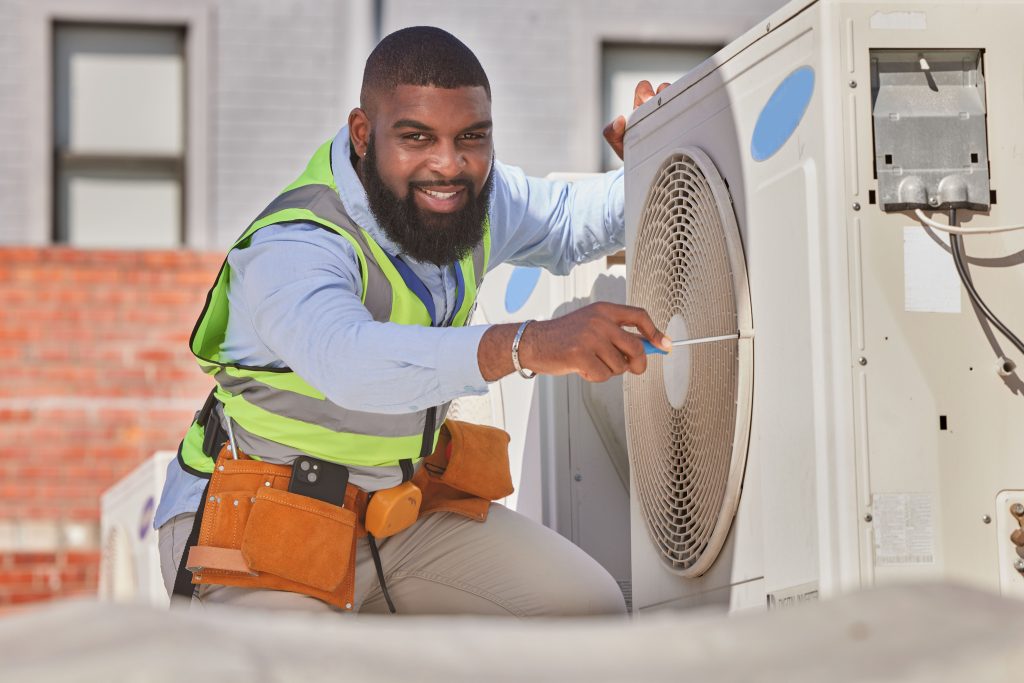
Wall-mounted split systems are commonly used in bedrooms, lounges, offices and other indoor spaces.
These systems normally consist of an indoor air-handling unit and an outdoor condenser.
Both components must be positioned carefully to support suitable airflow, drainage and maintenance access.
The technician should also check the distance between the units and confirm that the proposed pipework arrangement complies with the manufacturer’s specifications.
Installing an Air Conditioner in an Existing Home
Installing air conditioning in an occupied property requires careful planning.
Furniture placement, wall construction, electrical connections and access to outdoor areas can influence the installation process.
Where possible, the technician should identify practical cable and pipe routes that minimise unnecessary alterations.
A professional Aircon installer should explain the proposed work before drilling walls or mounting equipment.
This gives homeowners an opportunity to discuss the final appearance and positioning of the system.
Replacing an Old or Inefficient Aircon
An ageing air conditioner may experience declining performance, recurring breakdowns or increasing maintenance costs.
In some cases, replacing the system may be more practical than continuing with repeated repairs.
However, the existing installation should be inspected before new equipment is fitted.
Old refrigerant pipework, electrical connections and mounting brackets may not be suitable for the replacement unit.
The technician should also ensure that refrigerant from the old system is handled in accordance with applicable requirements.